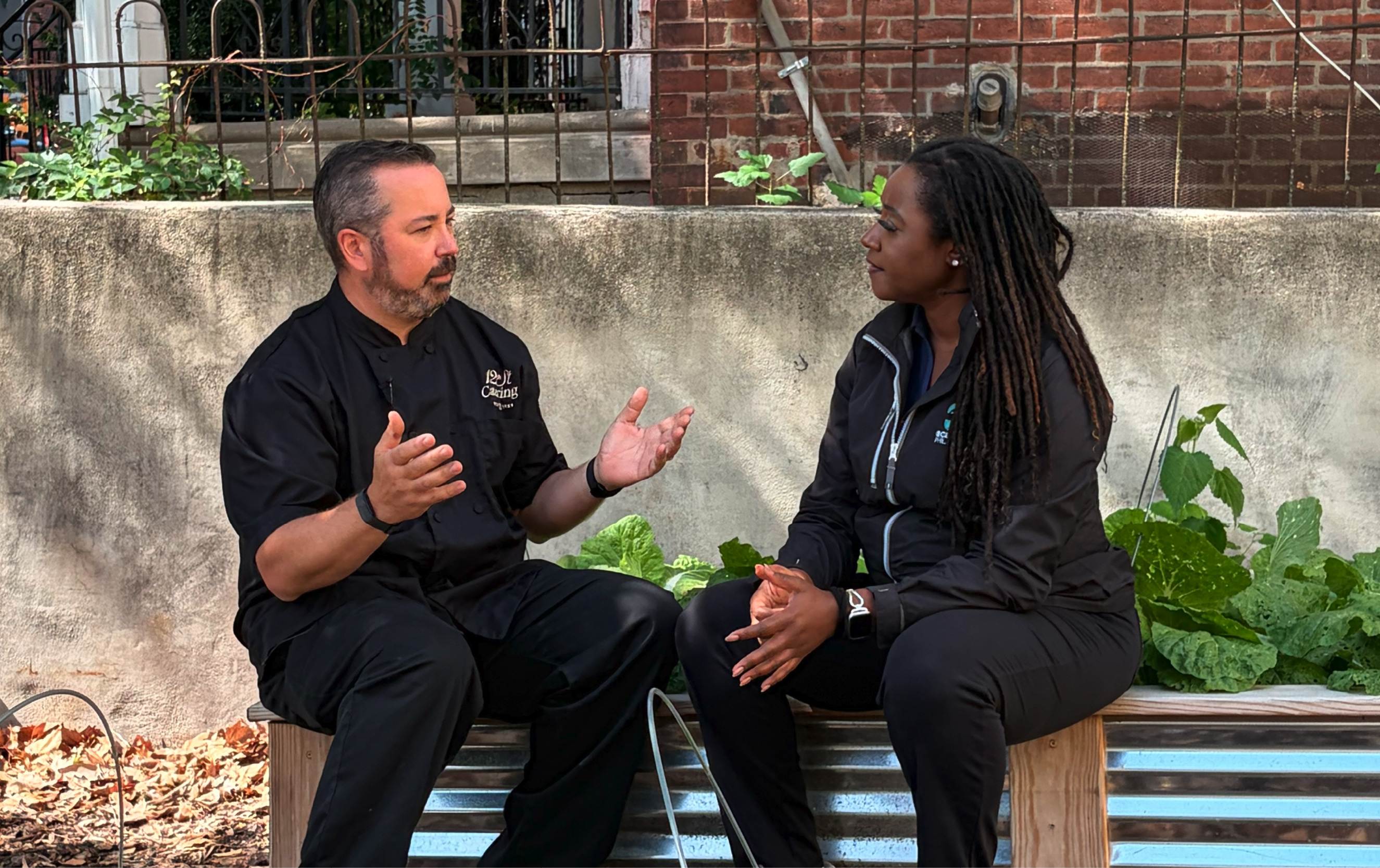
Why great leaders hire for heart, celebrate wins, own mistakes, and lead without fear
"You can't teach people to care."
That simple idea has become one of the guiding principles for Adam DeLosso, Executive Chef and COO of 12th Street Catering. In an industry built on hospitality, service, and teamwork, technical skills can be taught. Genuine care for people cannot.
During a recent appearance on the HR After Dark podcast, Adam shared his perspective on leadership, workplace culture, and what it takes to build and sustain high-performing teams. Drawing from years of experience leading one of Philadelphia's most trusted catering and events companies, he discussed the importance of hiring the right people, celebrating success, embracing vulnerability, and making decisions that serve the long-term health of an organization.
Listen to the full HR After Dark podcast featuring Adam DeLosso below.
How Do You Build a Strong Team Culture?
For Adam, building a strong team starts with finding people who genuinely care.
While skills, systems, and processes are all important, culture begins with character. Team members who bring heart, empathy, and a commitment to serving others often become the foundation of a successful organization.
As the hospitality industry continues to evolve, leaders face increasing pressure to recruit, retain, and develop great talent. Adam believes that hiring for attitude and values is often just as important as hiring for experience.
When people care about their teammates, their clients, and the work they do, organizations create stronger cultures and better outcomes.
Leadership Lesson #1:
Hire for heart. Skills can be taught. Caring cannot.
Why Is Celebrating Success Important for Employee Engagement?
Many organizations spend significant time discussing mistakes and identifying areas for improvement. While accountability matters, Adam believes leaders should be equally intentional about recognizing what is going well.
One of his leadership philosophies is simple: celebrate wins louder than failures.
Recognition reinforces positive behaviors, boosts morale, and helps teams stay focused on progress rather than setbacks. When employees feel seen and appreciated, they are more likely to stay engaged, motivated, and connected to the organization's mission.
For hospitality teams working in a fast-paced environment, taking time to celebrate accomplishments can make a meaningful difference in both culture and performance.
Leadership Lesson #2:
Celebrate wins loudly. Recognition fuels momentum.
Should Leaders Admit Their Mistakes?
One of the most powerful moments in the conversation centered around vulnerability.
Leadership is often associated with confidence and decisiveness, but Adam emphasized that effective leaders must also be willing to acknowledge when they get something wrong.
Admitting mistakes does not diminish credibility. In many cases, it strengthens it.
When leaders openly discuss failures, they demonstrate humility, accountability, and a willingness to learn. They also create an environment where employees feel safe taking calculated risks, sharing ideas, and learning from challenges.
The best leaders are not perfect. They are adaptable.
They are willing to try new approaches, evaluate results, and pivot when circumstances change.
Leadership Lesson #3:
Own your mistakes. Growth begins with accountability.
How Can Leaders Make Better Decisions?
Perhaps the most memorable takeaway from Adam's conversation was his approach to decision-making.
He encouraged leaders to make decisions from a place of love rather than fear.
Fear-based decisions are often reactive. They focus on short-term concerns, uncertainty, or worst-case scenarios.
Love-based decisions, by contrast, prioritize people, purpose, and long-term success. They are grounded in confidence, values, and a commitment to doing what is right for the organization.
This mindset does not mean avoiding difficult conversations or tough business decisions. Instead, it means approaching those decisions with clarity, empathy, and intention.
For leaders navigating uncertainty, this perspective offers an important reminder: the right decision is often the one that aligns with your values, not your fears.
Leadership Lesson #4:
Lead from love, not fear. Values create better decisions.
Adam DeLosso's Four Principles of Leadership
For leaders in hospitality and beyond, Adam's approach can be summarized in four key principles:
While these lessons emerged from years of experience in the hospitality industry, they apply to organizations of every size and sector.
About Adam DeLosso
Adam DeLosso serves as Executive Chef and Chief Operating Officer of 12th Street Catering, where he oversees culinary operations, event execution, team development, and organizational growth.
For more than 40 years, 12th Street Catering has been creating memorable experiences for clients throughout the Philadelphia region. From corporate events and nonprofit galas to weddings and social celebrations, the company's success has always been rooted in exceptional hospitality and a people-first culture.
Frequently Asked Questions About Leadership
What makes a great leader in hospitality?
Great hospitality leaders combine accountability, empathy, adaptability, and a commitment to serving both employees and clients.
Why is company culture important?
A strong culture helps organizations attract and retain talent, improve employee engagement, and deliver better experiences for clients and guests.
Should leaders admit when they make mistakes?
Yes. Admitting mistakes builds trust, encourages learning, and demonstrates authenticity.
How do leaders keep employees motivated?
Recognition is one of the most effective leadership tools. Celebrating achievements and acknowledging contributions helps employees stay engaged and connected to their work.
What does it mean to lead from love rather than fear?
Leading from love means making decisions based on values, people, and long-term success rather than reacting to uncertainty or short-term pressures.